
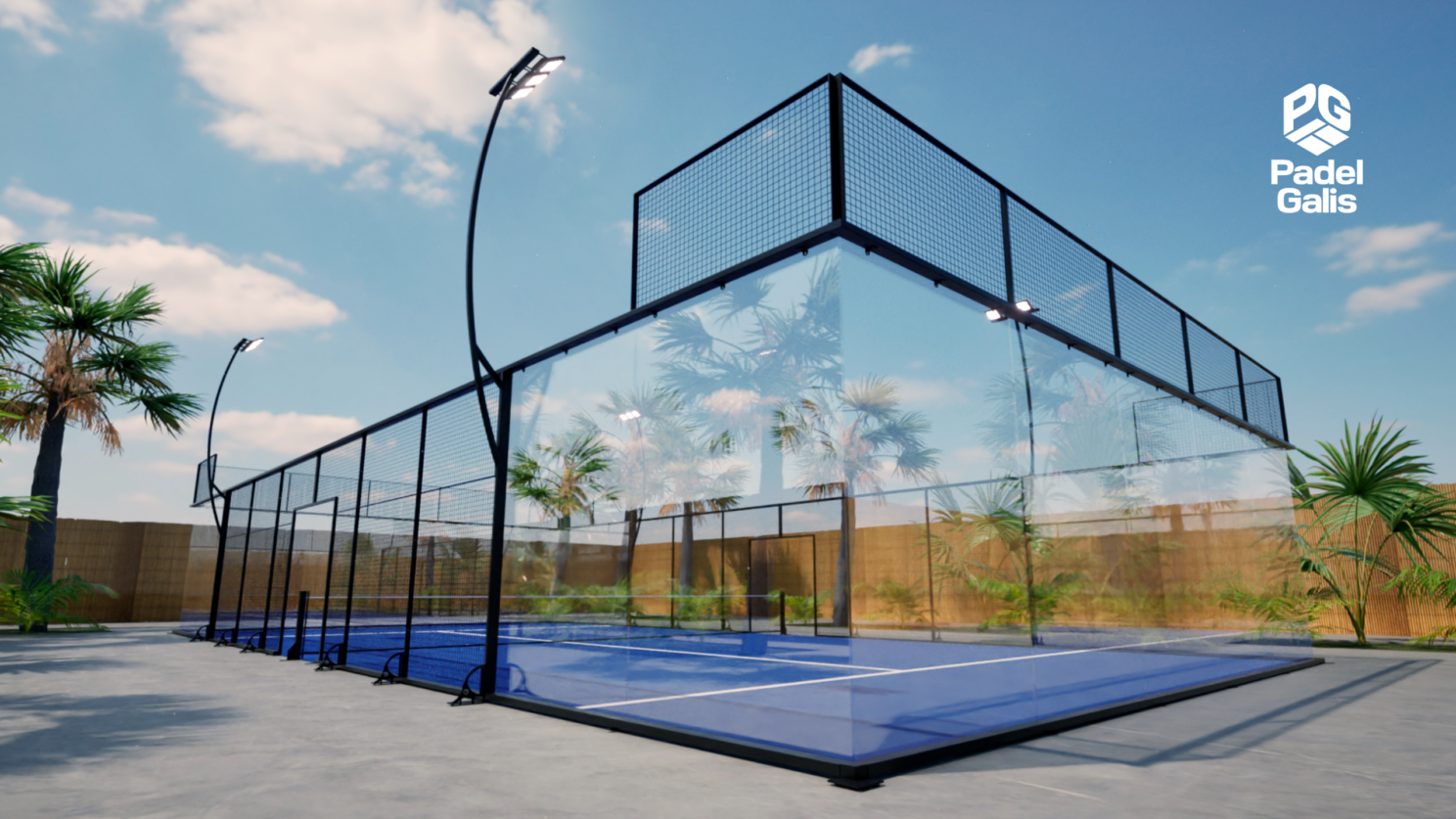
If you’re planning a new padel court, one of the first questions is usually simple: how long does it actually take? The honest answer is that every site is different. Ground conditions, planning requirements, layout, access and specification all affect the timeline. But in most cases, the process becomes far more manageable when it is planned properly from day one.
At Padel Galis UK, the journey typically moves through survey, planning, installation and final preparation and then you’re all set for your first game.
Here’s what that timeline can look like in practice:
Stage 1: Initial desktop study
Approximate timeframe: 3 to 7 days
The process starts with a free desktop study. This is the first review of your location before any on-site work begins.
At this stage, the team looks at prevailing wind conditions, corrosive elements in the air, local topography, ground conditions and your preferred court setup. This early assessment helps shape the right recommendation for your site and can flag any obvious constraints before the project moves forward.
If you’re at the very start of the process, it makes sense to begin with a proper site survey.
Stage 2: On-site survey and technical checks
Approximate timeframe: 1 to 2 weeks
Once the desktop study is complete, the next step is a full on-site survey.
Depending on the site, this can include soil sampling, test drilling, topographical survey work, confirmation of levels and access, and technical input for foundation design. These findings are used to validate the original assessment and support accurate planning and construction decisions.
Padel Galis UK also notes that recommendations are certified by accredited structural engineers, helping ensure safety and compliance from the outset.
Stage 3: Planning and approvals
Approximate timeframe: 8 to 12 weeks, sometimes longer
For many projects, planning is the stage that has the biggest influence on the overall timeline.
Padel Galis UK supports clients through the planning process by preparing applications, producing planning drawings, offering site-specific advice and liaising with local authorities. This matters because planning is rarely just paperwork. It needs a clear understanding of the site, environmental impact, surrounding area and how the proposal will be presented.
Getting this stage right helps reduce delays later and keeps the project moving in the right direction.
Stage 4: Ground preparation
Approximate timeframe: 1 to 3 weeks
Once approvals are in place and the project is ready to move, installation begins with the groundworks.
This stage focuses on preparing the base so the court performs properly long term. That includes levelling and stabilising the ground while making sure the specification supports drainage, durability, even play and long-term structural reliability.
A strong foundation is critical. If the base is wrong, everything built on top of it is compromised.
Stage 5: Frame, glass and turf installation
Approximate timeframe: 1 to 2 weeks per court setup
With the base prepared, the court itself starts to take shape.
The installation sequence typically includes:
- installing the corrosion-resistant frame
- fitting tempered glass panels
- laying premium padel-specific turf
- completing court markings and optional lighting
This is where the project starts to feel real. What was once a plan on paper becomes a playable court. You can read more about the court installation process.
Stage 6: Final checks and first game
Approximate timeframe: 2 to 5 days
Before the first match, the final details are completed to make sure the court is ready for use.
That means checking installation quality, ensuring the playing surface is properly finished, and confirming that any final features such as lighting and markings are in place.
From there, it’s game on.
What affects the overall timeline?
While the stages are clear, total project length depends on a few key factors:
- whether planning permission is required
- site access and ground conditions
- complexity of the design
- number of courts being installed
- weather and scheduling
In broad terms, a straightforward project may move from survey to first game in around 12 to 18 weeks, while more complex sites or planning-heavy projects can take longer.
Ready to start your project?
The smoothest padel court builds usually start with a proper survey and a realistic plan.
If you’re exploring a new court project, Padel Galis UK can support you from early feasibility through to planning, installation and maintenance.
Start with a free site survey or get in touch to discuss your project.