
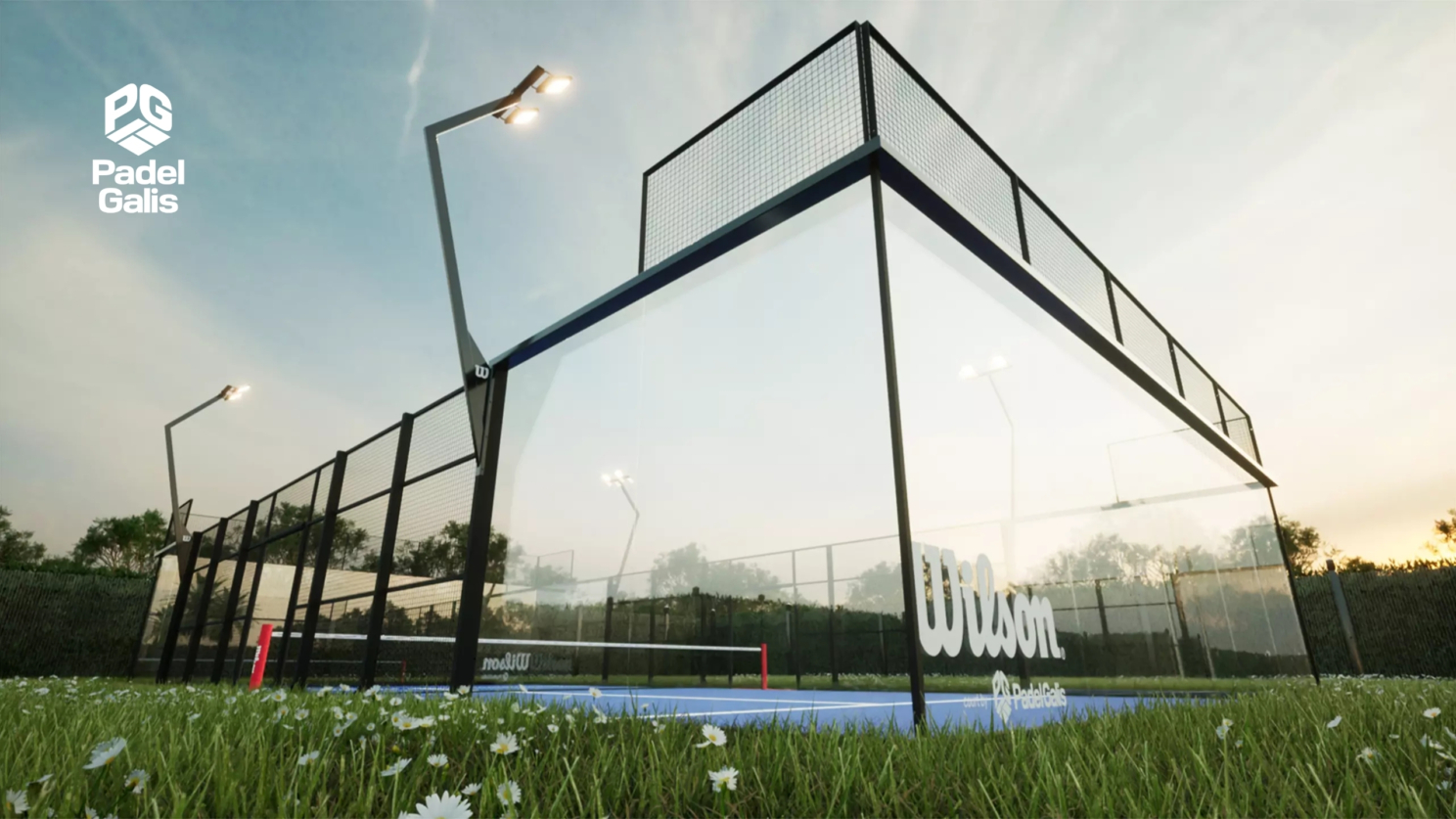
Spring is when outdoor courts show what winter did. A couple of hours spent now, deep clean, decompact, top up infill, check drainage and inspect fixings, prevents weeks of wondering why your padel game is going weird later. Here’s a practical Spring prep checklist you can run every year to protect bounce, safety and uptime.
Seasonal maintenance: Spring prep checklist for outdoor courts
Outdoor courts don’t usually fail in one dramatic moment. They drift over time.
Winter accelerates that drift:
- Debris builds up
- Infill migrates and compacts
- Drainage outlets clog
- Fixings loosen
- Surfaces play slower or inconsistently
Spring maintenance is your reset. If you do it properly, you protect:
- Bounce consistency
- Player safety
- Court lifespan
- Uptime (and revenue)
This checklist is built for operators who want a repeatable routine, not a one-off panic.
The Spring prep principle: Restore the system
A padel surface is a system:
- Turf fibres
- Infill distribution
- Drainage performance
- Structural stability
Spring prep should restore all four.
Step 1: Deep clean (remove winter contamination)
What you’re removing:
- Leaves and organic matter
- Fine debris that blocks drainage
- Surface contamination that affects grip
What to do:
- Clear perimeter areas first (so debris doesn’t re-enter)
- Remove visible debris from corners and edges
- Clean around gates and entry points (high traffic)
What to look for:
- Dark patches where organic matter has settled
- Areas that feel slick underfoot
Step 2: Decompact (bring the surface back to life)
Compaction is one of the biggest causes of “this court feels off”.
Signs you need decompaction:
- Bounce feels dead in patches
- Surface feels hard or uneven
- Infill looks set rather than mobile
What to do:
- Run a decompaction process appropriate to your surface
- Focus on high-wear zones (service boxes, near gates)
What to document:
- Date of decompaction
- Areas that needed extra attention
This matters for warranty compliance and future troubleshooting.
Step 3: Top up and redistribute infill
Infill migration is normal. Ignoring it isn’t.
What to do:
- Check infill levels across the court
- Identify low spots and migration lines
- Top up where needed then brush to redistribute evenly
Common Spring pattern
- Low infill in high-wear zones
- Build-up at edges/corners
Step 4: Drainage check (the uptime protector)
Drainage issues create closures and complaints.
What to do:
- Inspect all drainage outlets and channels
- Clear blockages
- After heavy rain, observe where water sits (if any)
Red flags
- Pooling in corners
- Soft spots near edges
- Slow clearing after rain
If you see these, don’t wait, small drainage issues become big ones.
Step 5: Structural inspection (fixings, gates, glass and fencing)
Spring is a good time to catch small issues before peak season.
What to check:
- Fixings: tight, consistent, no missing hardware
- Gates: alignment, latch function, smooth operation
- Glass: chips, scratches, movement points
- Fencing: stability, rattles, loose sections
- Net systems: tension and wear
What to document:
- Photos of any defects
- Snag list with owners and dates
Step 6: Lighting and electrics (before evenings ramp up)
As evenings get longer, usage patterns change.
What to check:
- All fixtures working (no flicker)
- Uniformity (no dead zones)
- Controls: timers, shut-off, scheduling
If you’re planning extended hours, confirm lighting performance now, not after the first complaint.
The Spring maintenance log (don’t skip this)
A simple log protects you:
- Date/time
- Who completed tasks
- Issues found
- Actions taken
- Photos attached
If it’s not logged, it didn’t happen.
Your official Spring prep checklist
- Perimeter cleared (debris removed)
- Court deep cleaned (corners, edges, gates)
- Decompaction completed (high-wear zones checked)
- Infill levels checked and topped up
- Brushing completed to redistribute infill
- Drainage outlets inspected and cleared
- Pooling/soft spots checked after rain
- Fixings inspected and tightened where needed
- Gates checked (alignment + latch)
- Glass and fencing inspected
- Lighting tested (uniformity + controls)
- Maintenance log updated + photos stored
Do Spring prep once, properly, and peak season becomes easier. If you’re unsure what your court needs, start with a structured inspection and a maintenance log.
Your first padel court: Ten questions before you commit